A Journey Through Chinese Traditional Clothing: Hanfu and Fashion from Xia–Shang–Zhou to the Qing Dynasty
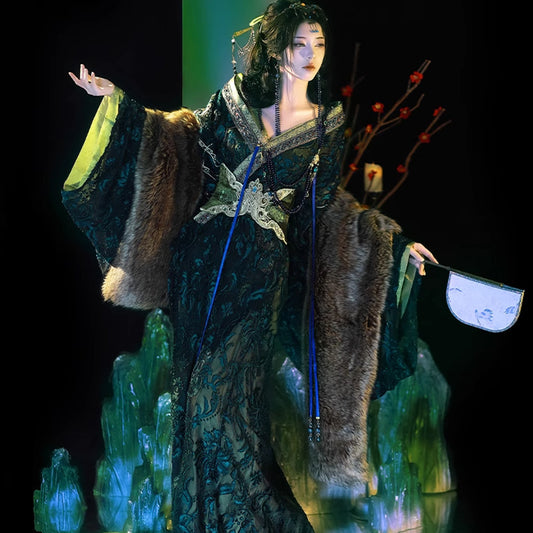
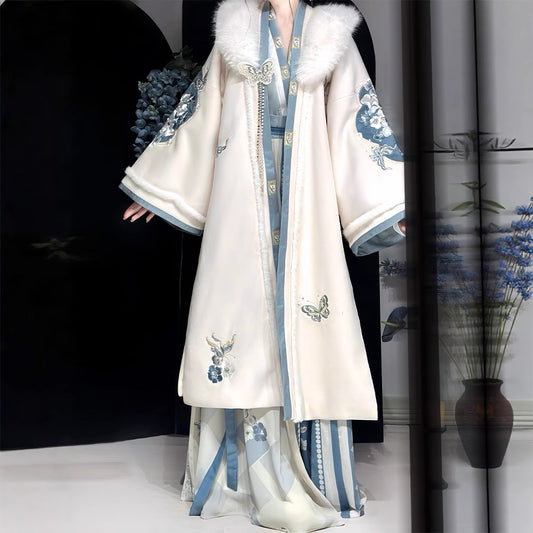
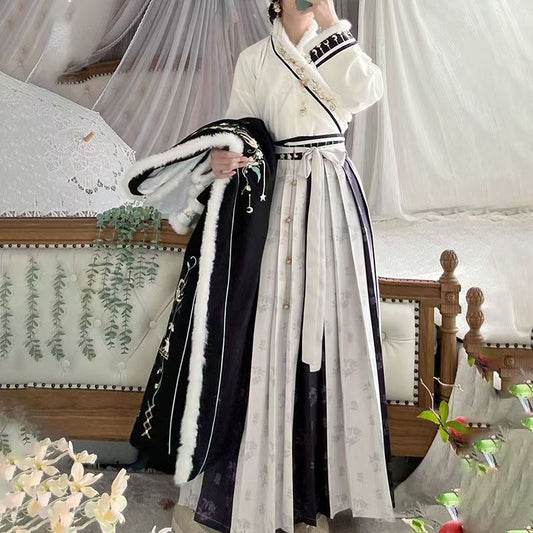
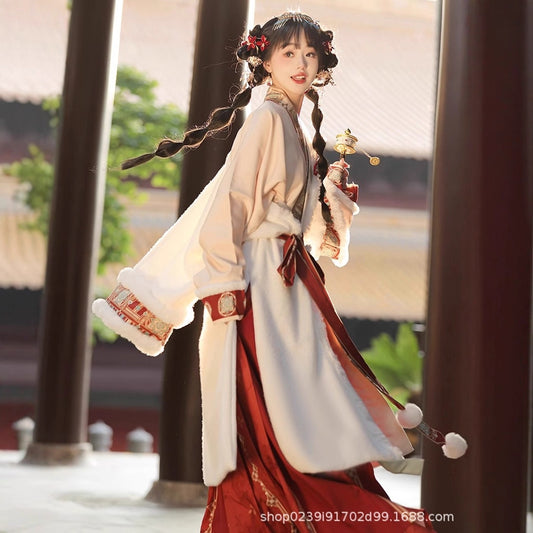
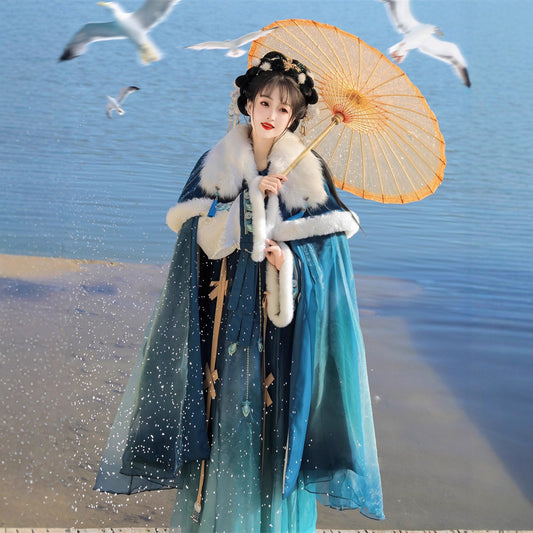
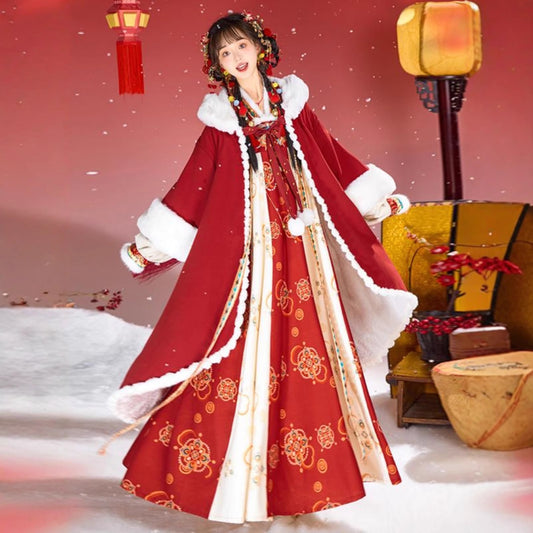
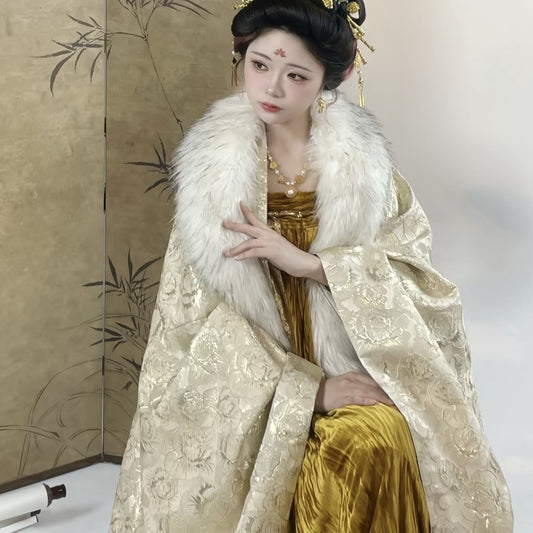
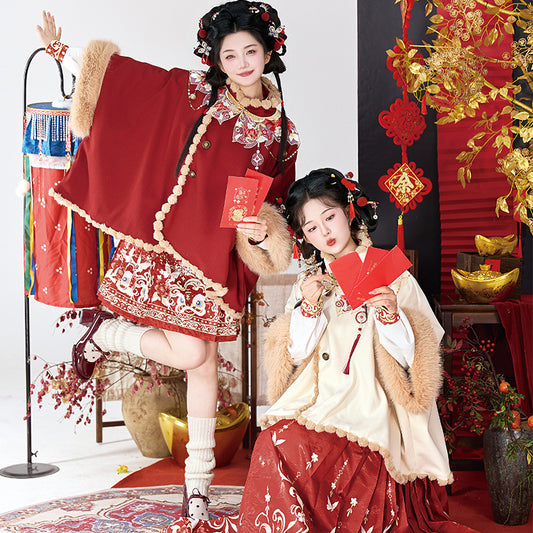
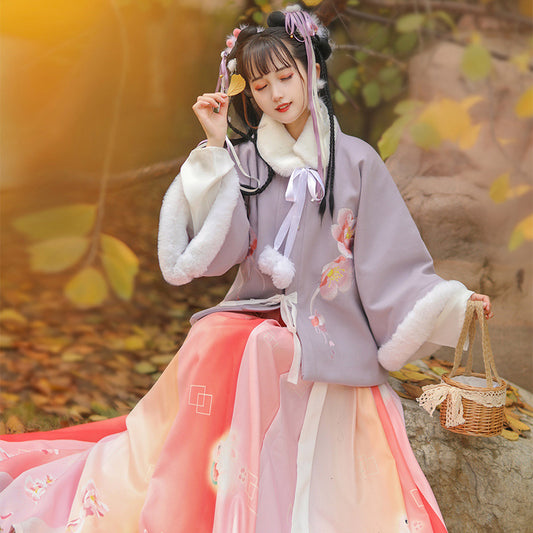
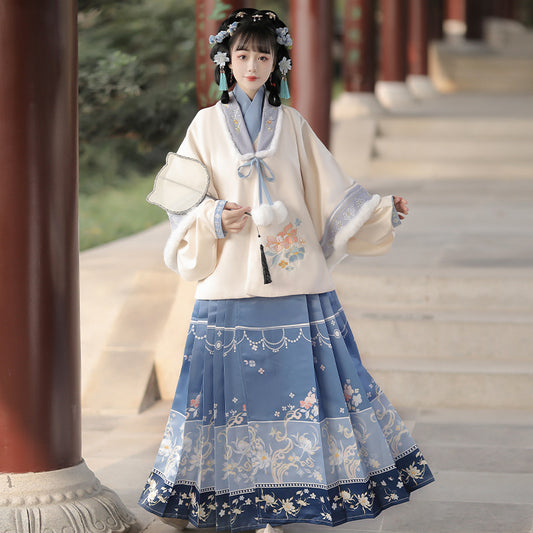
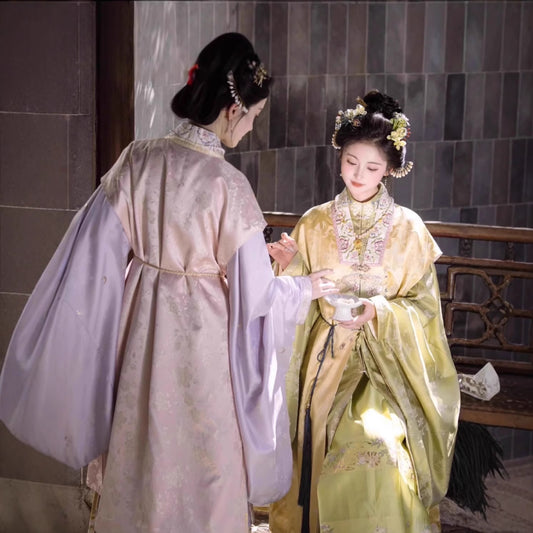
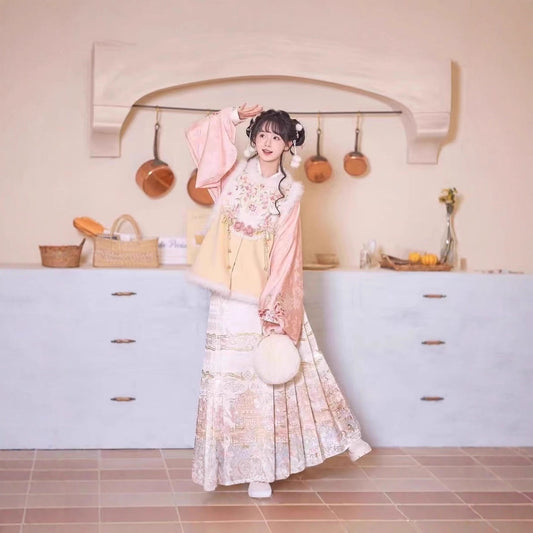
LihanfuChinese civilization unfolds like a brilliant scroll across thousands of years. When speaking of Chinese history, people often mention Hanfu, the core of Chinese traditional clothing. Many may ask: “What is Hanfu? What does it mean?” Hanfu refers to the traditional clothing system of the Han people, including robes, skirts, accessories, headwear, and shoes. It forms an essential part of ancient Chinese clothing. Today, when searching terms like “Hanfu dress,” “ancient Chinese clothing,” or “Chinese clothing history,” we are naturally led to Hanfu. By following the timeline of history, we can trace how Hanfu evolved across dynasties.

Xia, Shang, Zhou, and Spring–Autumn: Ritual Clothing in the Dawn of Civilization
2070 BC - 475 BC
The Xia, Shang, and Zhou dynasties—followed by the Spring and Autumn period—mark the earliest stages of Chinese civilization. Society was governed by a feudal system, and ritual norms began to take shape. Although the Zhou king was still considered the nominal ruler, real power lay with competing states. Clothing during this era emphasized ritual hierarchy: ceremonial outfits such as crown attire (mianfu冕服) and ritual sashes (hubo 笏帛) reflected social status and rank, forming the foundational aesthetics of early Chinese clothing.
Archaeological evidence shows that clothing from these eras followed the classic cross-collar, right-over-left structure with the “upper garment and lower skirt” system. The Xia nobility preferred deep colors—especially black—while the Shang favored elegant white garments. By the Zhou dynasty, color combinations became more diverse, blending dark and light tones. Ritual garments such as ceremonial crowns and leather cap attire laid the foundation for what would eventually become the Hanfu clothing system.
Warring States to Qin–Han: Imperial Unification and the Early Rise of Hanfu
475 BC- 220 AD
At the end of the Spring and Autumn period, the state of Jin split into Han, Zhao, and Wei, leading to the collapse of the old ritual order. After major reforms strengthened its military, Qin eventually unified the six states. Under the First Emperor, China became a centralized empire, standardizing writing, measurements, and transportation—bringing increasing uniformity to both culture and ancient Chinese clothing.
Both the Qin and Han dynasties continued the Shenyi 深衣 system, featuring curved hems(quju 曲裾) or straight-cut (zhiju 直裾)robes, foundational silhouettes in early Hanfu clothing. After the fall of Qin, the Han dynasty inherited centralization and further refined the system of attire. Men and women wore the Shenyi; women often dressed in ruqun skirts, while men paired fitted jackets with trousers.

This era marks the first widespread use of the term Hanfu, representing the traditional costume of the Han people. With prosperous trade along the Silk Road, Han culture—and its clothing—spread far beyond the empire, deeply influencing the evolution of Chinese traditional clothing.
Wei–Jin and Northern–Southern Dynasties: Cultural Fusion and Romantic Elegance
220 AD - 581 AD
After the fall of the Han dynasty, China entered the Three Kingdoms era. Wei eventually emerged dominant, followed by the Jin dynasty under the Sima family. Political instability and invasions by northern nomadic groups led to a long North–South division. Yet this chaotic period produced remarkably creative thinking, reflected vividly in its Chinese traditional clothing.
Men favored wide-sleeved robes and jade pendants, while women wore decorative layered skirts such as zhaju and chuishao. Influences from nomadic Hu clothing introduced practical garments like tapered trousers and overlapped vests (liangdang), creating hybrid silhouettes. This era’s airy, expressive style—often celebrated as the “Wei–Jin elegance”—left a lasting imprint on later Hanfu dress aesthetics.

Sui–Tang: A Golden Age of Splendor and Diversity
581 AD - 907 AD
Although short-lived, the Sui dynasty’s unification paved the way for the magnificent Tang dynasty—one of the most prosperous eras in Chinese history. International trade flourished, and Tang dynasty clothing became renowned for its openness, boldness, and cultural fusion.
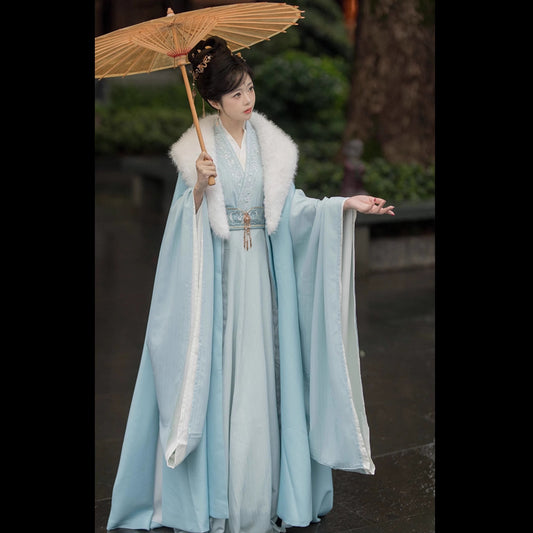
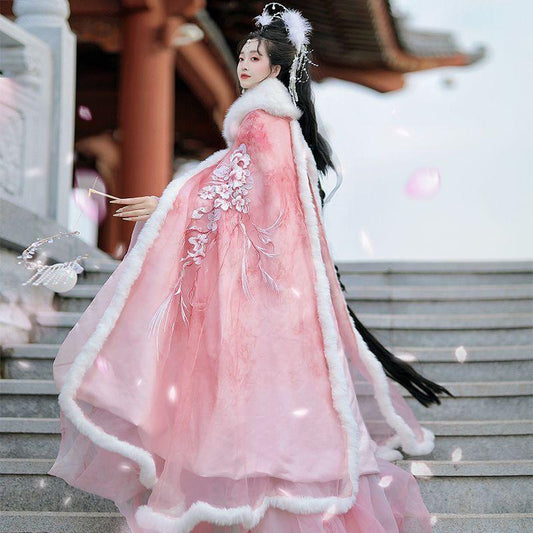
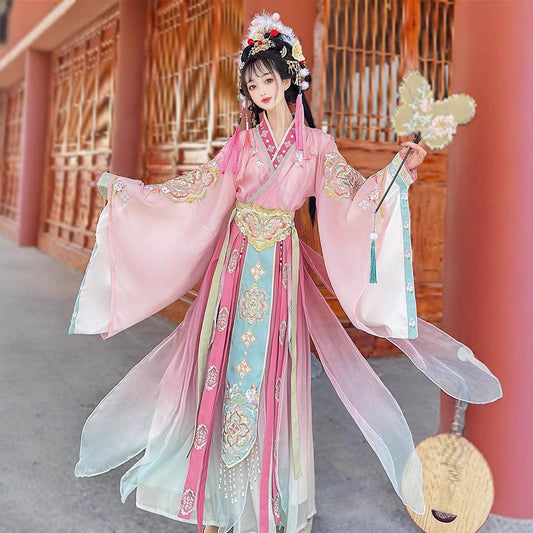
Women’s fashion evolved dramatically: early Tang styles featured narrow sleeves and fitted waists, while later styles embraced wide-sleeved robes, high-waisted ruqun skirts, and flowing shawls (peibo). Men typically wore round-collar robes, straight-cut coats, and ornate accessories. Persian and Indian influences enriched the color palette and patterns, making Tang clothing one of the most iconic forms of ancient Chinese clothing recognized worldwide.

Song–Yuan: Restraint, Ritual, and Cultural Blending
907 AD - 1368 AD
After Tang’s decline, the Song dynasty unified China and established a stable, scholarly society. Clothing styles became more modest compared to the Tang dynasty. Officials wore standardized uniforms, while commoners favored simple cross-collar ruqun or Shenyi robes. Scholars preferred flowing beizi(褙子) coats, reflecting the era’s pursuit of elegance and refinement.


Under Mongol rule in the Yuan dynasty, the palace favored luxurious gold-woven robes, while Han Chinese civilians continued wearing traditional Hanfu skirts and jackets. Northern influences introduced garments like braided-line jackets, yet traditional Han-style robes persisted, demonstrating the resilience of Hanfu clothing across dynasties.
Ming–Qing: Revival, Transformation, and Ethnic Fusion
1368 AD - 1911 AD
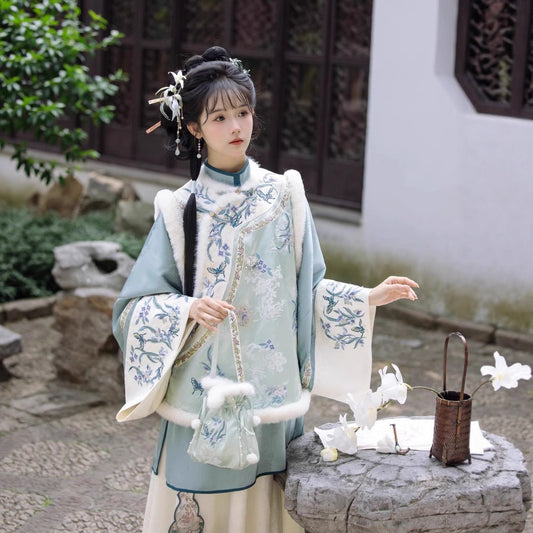
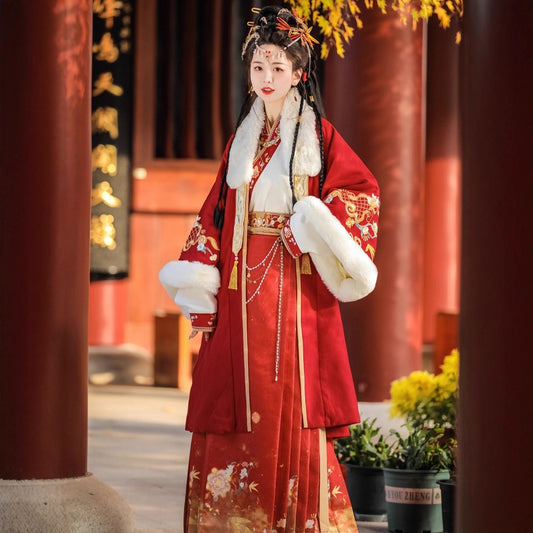
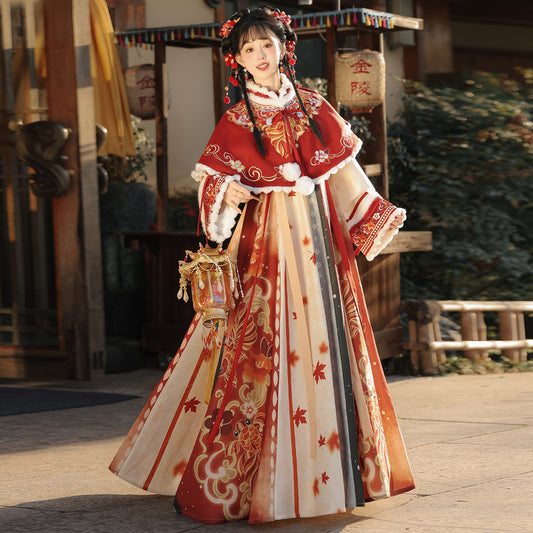
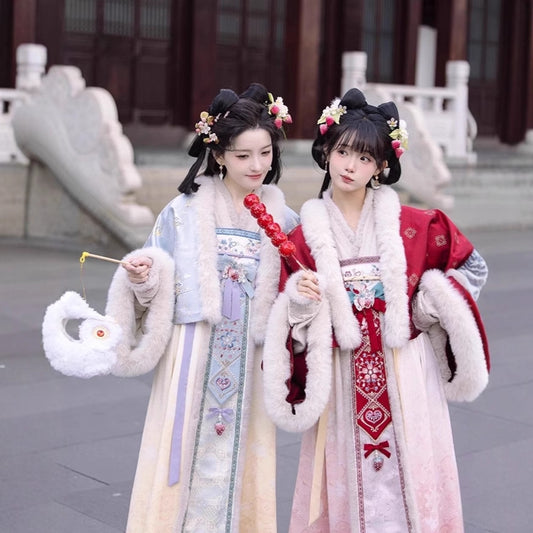
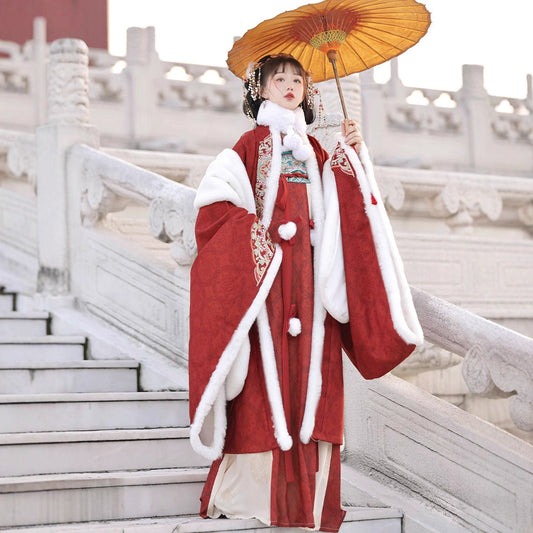
The Ming dynasty reinstated Han ritual systems and strictly banned nomadic-style clothing. Women commonly wore Mamian skirts, jackets, and beizi, favoring bright colors and structured silhouettes. Men wore wide-sleeved robes such as scholar gowns or Daoist robes. Many iconic elements of Ming dynasty Hanfu—including the Mamian skirt and Feiyu suit—originated here.


After the Manchu founded the Qing dynasty, they enforced hair-cutting and mandated Manchu-style clothing. Yet Han attire survived among the people, and Manchu nobles gradually adopted Han cultural elements. Men wore long robes and magua jackets, while women dressed either in Han-style skirts or Manchu Qipao (Cheongsam). The blending of styles created a unique fashion landscape. Today, both Ming-style Hanfu and modernized Qipao/Cheongsam remain essential parts of Chinese traditional clothing.


Across millennia, every era’s clothing reflected its politics, aesthetics, and cultural ideals—from the solemn ritual garments of early dynasties to the grand sleeves of the Tang, the graceful restraint of the Song, and the scholarly elegance of the Ming and Qing. These styles shine as outstanding chapters of Chinese traditional clothing.
With today’s global Hanfu revival movement, more people worldwide are discovering and embracing this ancient attire. Western media sometimes refer to Hanfu simply as “Chinese dress,” acknowledging its importance as a cultural gateway. As many Hanfu communities emphasize, Hanfu is not only beautiful—it embodies identity, heritage, and the 3,000-year continuity of the Han civilization.